

Why Do Medical Centers Depend On Disposable Infusion Set Systems
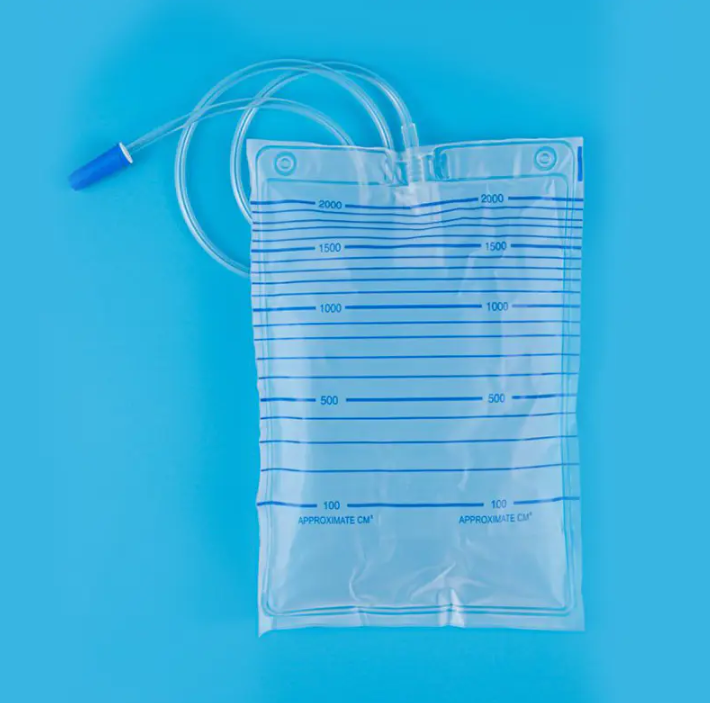
Daily medical treatment involves a variety of devices that quietly support patient care. Among these tools, a Disposable Infusion Set used together with a Waste Liquid Bag plays a practical role in handling medical fluids during treatment procedures. Healthcare providers depend on such equipment to deliver intravenous solutions while also managing liquid byproducts produced during clinical operations. The presence of these devices allows staff to maintain organized treatment environments while focusing on patient monitoring.
Infusion therapy remains widely used across hospitals and outpatient clinics. Patients receiving hydration therapy, antibiotics, or nutritional support often require fluids delivered directly into the bloodstream. A disposable infusion set creates a controlled pathway between the solution container and the intravenous catheter inserted into the patient’s vein. This setup helps medical staff regulate the rate at which medication or fluids enter the body.
Several components combine to form a typical infusion set. Flexible tubing carries the liquid from the container to the patient. A drip chamber positioned along the line allows medical workers to observe the flow of drops passing through the chamber. This visual reference helps nurses confirm that the infusion remains steady and within the intended speed.
Flow regulators placed along the tubing provide additional control. By adjusting the regulator, nurses can modify how quickly the fluid travels through the line. This function becomes important when certain medications require gradual administration to maintain patient comfort and safety.
The use of disposable equipment contributes to hygiene in clinical environments. Single-use infusion sets arrive in sealed sterile packaging and are discarded after treatment. This approach reduces the possibility of contamination that might occur if equipment were reused across multiple patients.
While infusion sets handle the delivery of fluids, healthcare workers must also manage liquids generated during treatment. A waste liquid bag serves as a container designed to collect these fluids safely. Drainage procedures, irrigation treatments, and certain diagnostic tests may produce liquid waste that requires careful containment.
Waste liquid bags are often constructed using durable medical-grade plastic that resists punctures and leakage. Many designs include measurement markings printed on the surface so medical staff can estimate the volume of collected liquid. This information may assist doctors when evaluating patient conditions during recovery or treatment.
Some waste bags incorporate valves that help prevent reverse flow. These features maintain hygienic separation between collected fluids and the equipment connected to the patient. Reinforced seams also help maintain the structural integrity of the bag when it becomes partially filled.
Manufacturing medical devices such as infusion sets requires controlled production environments. Factories often operate within cleanroom conditions where airborne particles are minimized. Workers wear protective clothing and follow strict hygiene procedures to prevent contamination during assembly.
Production begins with the molding of plastic components used in tubing, drip chambers, and connectors. Machines shape these parts with precise dimensions so that each piece fits properly during assembly. After the components are manufactured, automated systems may assemble them into complete infusion sets.
Sterilization represents another critical stage in the process. Methods such as ethylene oxide gas treatment or radiation sterilization help ensure that microorganisms do not remain on the device. Once sterilized, each infusion set is sealed inside protective packaging.
Healthcare facilities rely on dependable equipment because treatment schedules often involve numerous patients each day. Disposable infusion sets support efficient workflows since staff can quickly prepare a new sterile set for each patient without complex cleaning procedures.
Waste liquid bags also simplify fluid management within busy hospital environments. Staff can attach the bag to suction systems or drainage tubing and remove it once filled. After removal, the sealed bag is transferred to designated medical waste containers according to hospital safety protocols.
 Russian
 English
 Arabic
 French
 Spanish
 Portuguese
 Deutsch
 Turkish
 Dutch
Dutch
 Italiano
 Romaian
 Portuguese (Brazil)
 Greek
Greek