

How Are OBA Optical Brightening Agents Used Today
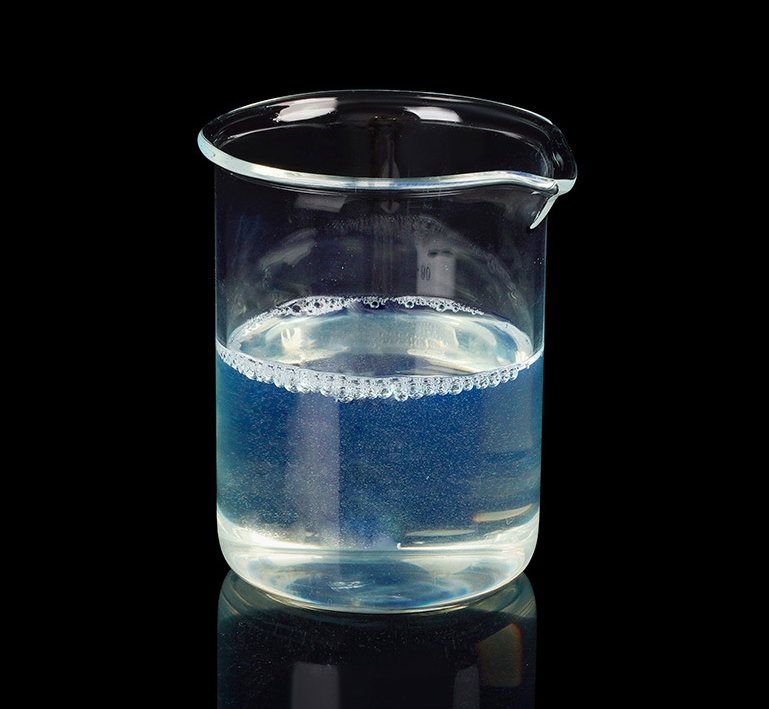
Manufacturers across multiple industries rely on additives that influence the visual characteristics of materials. OBA Optical Brightening Agents and optical brightener powder are often introduced during production because they help improve the perceived brightness of surfaces without altering the structural composition of the base material. These compounds interact with light in a particular way, creating subtle optical effects that contribute to a cleaner and more uniform appearance.
Optical brightening technology works through a fluorescence mechanism. When ultraviolet light strikes a surface that contains brightening agents, the molecules absorb that energy and emit visible blue light. This emitted light offsets yellowish tones that may naturally occur in many raw materials such as cellulose fibers or synthetic polymers. The result is a visual impression of improved whiteness.
Paper production provides a clear example of this technology in everyday manufacturing. During pulping and bleaching, paper fibers can retain slight color variations depending on the raw material and processing conditions. Adding optical brightener powder allows manufacturers to adjust brightness levels and produce paper with a more consistent appearance. This adjustment helps printing inks appear sharper and improves readability in printed documents.
The textile industry also integrates brightening agents into various finishing processes. Fabrics made from cotton, polyester, and other fibers may experience color changes during dyeing or repeated washing. Optical brighteners help maintain a clean look by compensating for subtle yellowing that may develop over time.
Laundry detergents represent another common application. Many detergent formulas include small quantities of brightening agents designed to attach lightly to fabric surfaces during washing. When garments are exposed to daylight, the brighteners create the optical effect that makes fabrics appear cleaner.
Plastic manufacturing also makes use of optical brightening agents in certain products. White plastic containers, packaging materials, and household items sometimes include these additives to maintain visual clarity and brightness. During polymer processing, optical brightener powder disperses evenly within the molten material before the final product is formed.
Coating technologies also benefit from the use of brightening agents. Paints and protective coatings occasionally incorporate these additives to maintain brightness across surfaces exposed to different lighting environments. The fluorescent effect helps reduce dullness in white coatings.
Manufacturers pay close attention to dosage levels when working with optical brighteners. Small quantities often produce noticeable results, while excessive additions may affect color balance. Laboratory testing typically determines the appropriate formulation before full-scale production begins.
Another important factor involves compatibility between the brightener and the base material. Different chemical structures interact with cellulose fibers, synthetic polymers, or coatings in distinct ways. Selecting a suitable optical brightener powder ensures stable dispersion and consistent performance.
Research laboratories continue studying new brightener formulations to expand their applications. Scientists examine molecular structures that improve stability under heat, light, or chemical exposure. These investigations help manufacturers apply brighteners across a wider range of products.
 Italiano
 English
 Arabic
 French
 Spanish
 Portuguese
 Deutsch
 Turkish
 Dutch
Dutch
 Russian
 Romaian
 Portuguese (Brazil)
 Greek
Greek