

NANTE Portable Distribution Box Best Practices
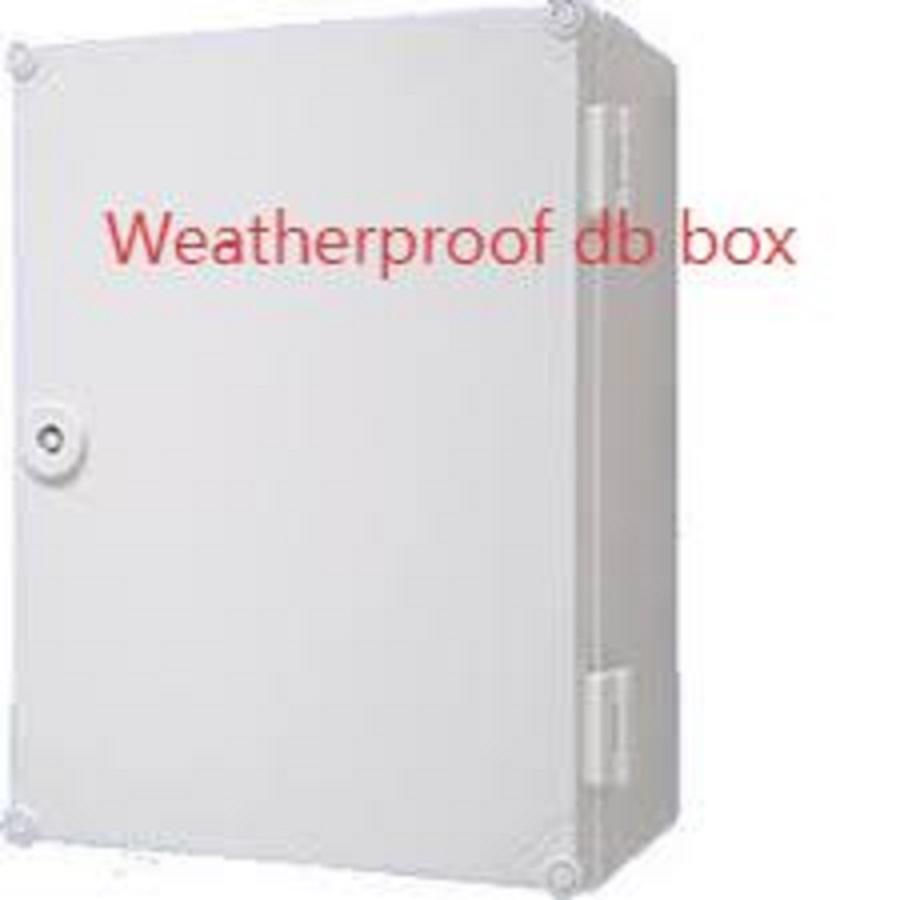
In temporary power scenarios, safety and convenience often determine the difference between a smooth operation and costly downtime, so many site managers choose a Portable Distribution Box that balances protection and portability, while event crews and contractors rely on a compact Portable Distribution Box to deliver segmented circuits, overcurrent protection, and quick reconfiguration for changing load demands. Thoughtful selection and disciplined field procedures keep teams safe and equipment running, whether on construction sites, outdoor events, emergency relief zones, or film-production locations.
Core design elements and modularity
A well-engineered portable distribution unit combines a durable enclosure, modular circuit stations, and clear labeling. Enclosures are typically impact-resistant and weather-sealed, with recessed handles or skids to withstand frequent movement. Modular circuit modules—MCCB, MCB, RCD, and surge protection components—allow rapid replacement and tailored protection per application. Quick-disconnect terminals and standardized busbar layouts reduce wiring errors and simplify on-site troubleshooting, while hinged or removable front panels speed access for maintenance.
Safety features and compliance
Safety begins with correct protection devices sized to match cable and load characteristics. Ground-fault protection, coordinated overcurrent devices, and appropriately rated insulating barriers prevent accidental contact and minimize arc risks. Units intended for outdoor or temporary wet environments should carry suitable IP ratings and have clearly marked external isolation switches. Compliance with local electrical codes, portable appliance directives, and testing standards should be verified with manufacturer test certificates and type-test reports before deployment.
Deployment strategies and ergonomics — Nante considerations
Field deployment benefits from ergonomic features that reduce handling risk: balanced center-of-gravity designs, recessed carrying points, and protective bumpers. Cable management features—integrated reels, lockable flaps, and labeled termination points—speed setup and reduce tripping hazards. Consider pre-configured color coding for phases and neutrals to minimize connection mistakes during rapid installations. For repeated-use contracts, custom printed panels and fixed gland-plate arrangements can dramatically shorten setup times and lower labor costs.
Regional support and partnerships — Fly-Dragon Electrical Co., Ltd.
Local partners add value for urgent replacements, spares stocking, and field service. Working with an on-the-ground distributor or service center eases logistics for multi-site operations and can provide expedited repairs when a critical unit fails. Regional partners often assist with custom labeling, pilot-unit testing, and localized documentation to meet language and regulatory needs. Including a field-service clause in procurement contracts reduces lead times for corrective maintenance and secures predictable support response windows.
Maintenance cycles and lifecycle planning
Predictive maintenance prevents small faults from escalating. Simple checks—visual inspections, verification of tightening torques, contact-resistance measurements, and thermal imaging under load—reveal early signs of wear. Replace consumables such as gaskets and cam-locks on scheduled intervals rather than after failure. Maintain a spare-parts kit containing fuses, MCBs, and terminal blocks to support rapid repairs. Record-keeping of each deployment, including load logs and maintenance actions, helps refine replacement intervals and informs procurement of the right spare inventory.
Practical operational tips and training
Human factors often dominate portable-system reliability. Train crews on proper pulling techniques, phased connection sequences, and lockout-tagout procedures tailored to portable units. Emphasize the importance of phased load balancing to avoid nuisance trips and to extend component life. Simulate common fault scenarios during on-site drills so technicians can rapidly diagnose and recover service. A short, laminated checklist attached to each unit that outlines pre-energization tests and shutdown steps reduces human error during turnovers.
Procurement considerations and total cost of ownership
When purchasing, compare not only upfront unit costs but also expected service life, spare-part availability, and upgrade paths. A slightly more expensive box with modular components and widely available spares often yields lower lifecycle costs than cheaper sealed units that require full replacement. Evaluate warranty coverage for environmental damage and transport-related failures, and request pilot units for realistic trials under anticipated loads and handling conditions before committing to a large fleet purchase.
Conclusion and resources
Portable distribution units are essential tools for flexible, temporary power distribution. Prioritize rugged construction, clear safety features, modular serviceability, and solid local support to avoid operational interruptions. Proper training, scheduled maintenance, and thoughtful procurement strategies will maximize uptime and reduce lifecycle expenses. For product specifications, configurations, and accessory options, review the manufacturer’s product pages and catalog resources at https://www.nante.com/product/ .

 English
 French
 Spanish
 Portuguese
 Deutsch
 Turkish
 Dutch
Dutch
 Italiano
 Russian
 Romaian
 Portuguese (Brazil)
 Greek
Greek