

Damping Spring Hinges: Design and Performance Insights
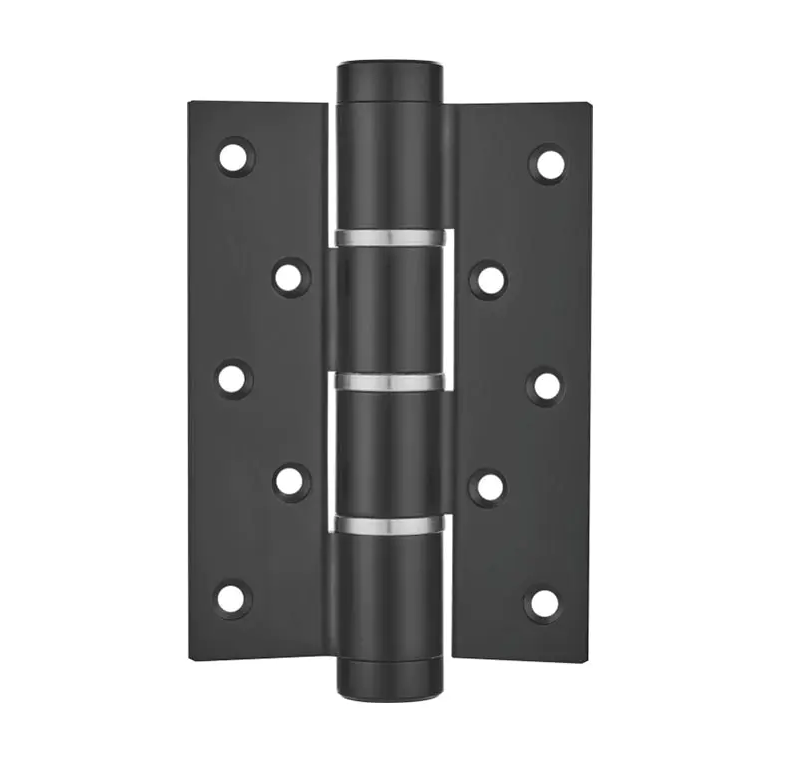
Understanding Damping Mechanisms
Damping Spring Hinges are widely used in furniture, doors, and cabinetry to ensure smooth, controlled opening and closing. Their effectiveness depends primarily on the interaction between the internal spring and hydraulic cylinder mechanisms. These components regulate speed, resistance, and smoothness, providing a consistent damping effect that enhances both safety and user experience. Understanding how spring stiffness and cylinder design influence damping performance is crucial for selecting, installing, and maintaining high-quality hinges.
Role of the Spring in Damping
The spring within a damping hinge provides the primary restorative force, pushing or pulling the door back to its original position. The stiffness and tension of the spring directly influence how quickly and smoothly the door closes. A stronger spring generates a higher force, which can speed up door closure but may reduce smoothness if not properly balanced with the hydraulic system. Conversely, a weaker spring may result in slower closure and insufficient control. Manufacturers often calibrate spring strength to match door weight and desired damping speed, ensuring optimal performance.
Impact of the Hydraulic Cylinder
The hydraulic cylinder in a damping hinge controls the speed and smoothness of movement. It regulates the flow of hydraulic fluid as the hinge operates, providing resistance against sudden motion. Cylinder size, internal valve design, and fluid viscosity all influence damping behavior. A well-designed cylinder prevents abrupt slamming by slowing door movement at the final stage, enhancing safety and comfort. Additionally, the cylinder absorbs kinetic energy from the moving door, reducing stress on the spring and extending the hinge’s operational lifespan.
Interaction Between Spring and Cylinder
The combination of spring and cylinder determines the overall damping performance. The spring provides the driving force, while the cylinder ensures controlled motion. If the spring is too strong relative to the cylinder, the door may close too quickly and bypass the damping effect. Conversely, if the cylinder is overly restrictive, the door may close too slowly, causing user inconvenience. Properly engineered damping spring hinges balance these components, allowing smooth, gradual closure regardless of door size or weight.
Environmental and Usage Considerations
Temperature and humidity can also affect spring and cylinder performance. Extreme cold may thicken hydraulic fluid, slowing damping, while high heat can reduce fluid viscosity, resulting in faster door motion. High-frequency usage may gradually wear the spring or cylinder, reducing effectiveness over time. High-quality hinges use temperature-stable hydraulic fluids, corrosion-resistant springs, and durable seals to maintain consistent damping under various conditions. Regular inspection and maintenance help ensure reliable performance throughout the hinge’s service life.
Installation and Adjustment
Proper installation is critical for achieving optimal damping. Door alignment, hinge placement, and calibration of the spring tension and cylinder resistance influence performance. Many modern damping spring hinges offer adjustable tension or flow controls, allowing users to fine-tune closure speed and smoothness for different door sizes or personal preferences. Correct adjustment ensures consistent damping, prevents slamming, and reduces mechanical stress on the door and hinge components.
The damping performance of Damping Spring Hinges relies heavily on the design and interaction of the spring and hydraulic cylinder. The spring provides the force for door movement, while the cylinder regulates speed and smoothness. Together, these components ensure controlled, gradual closure, enhancing safety, comfort, and durability. By understanding their function, considering environmental factors, and performing proper installation and maintenance, users can achieve reliable, long-lasting damping performance for a wide range of doors and applications.
 Romaian
 English
 Arabic
 French
 Spanish
 Portuguese
 Deutsch
 Turkish
 Dutch
Dutch
 Italiano
 Russian
 Portuguese (Brazil)
 Greek
Greek