

How a Roasting Pan Enhances Kitchen Versatility
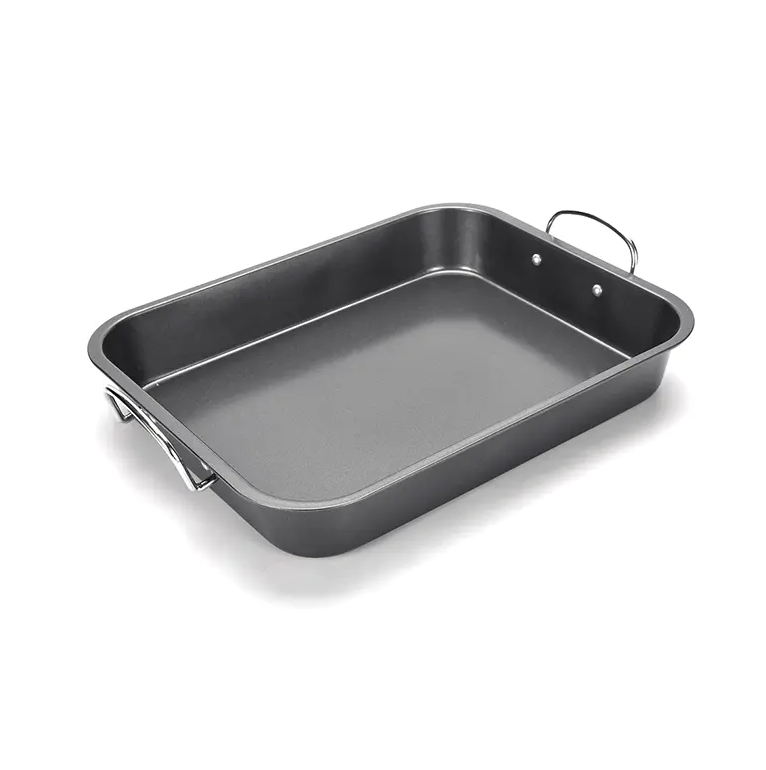
The roasting pan is a staple in kitchens, valued for its ability to cook meats, poultry, and vegetables evenly. With its wide, shallow base and optional rack, it allows heat to circulate around food while capturing juices for sauces or gravies. Many home cooks find the roasting pan practical not just for holiday meals, but for everyday cooking.
Material choice impacts performance. Stainless steel pans provide durability and consistent heat distribution, while nonstick surfaces simplify cleaning. Enameled pans retain heat well and can transition from stovetop to oven. High-quality roasting pans maintain performance over frequent use, preventing warping and ensuring tender, evenly cooked meals.
Size is important for efficiency. A pan should hold ingredients comfortably, allowing air circulation. Overcrowding prevents even cooking, while too large a pan spreads juices thinly, reducing moisture. A medium-sized roasting pan suits most families, while larger households or gatherings may benefit from deeper or wider pans.
Beyond meats, a roasting pan works well for roasted vegetables, baked pasta dishes, and layered casseroles. Using a rack elevates the food, promoting even browning and moisture retention. Even simple weeknight meals benefit from the versatility of a roasting pan, making it a reliable tool for both novice and experienced cooks.
Maintenance is straightforward. Wash with warm, soapy water, avoid abrasives, and dry thoroughly. With proper care, a roasting pan can last many years, supporting consistent results for daily meals and special occasions.

 English
 Arabic
 French
 Spanish
 Portuguese
 Deutsch
 Dutch
Dutch
 Italiano
 Russian
 Romaian
 Portuguese (Brazil)
 Greek
Greek