

Choosing the Right Blade for Metal Cutting Saws
Importance of Blade Material
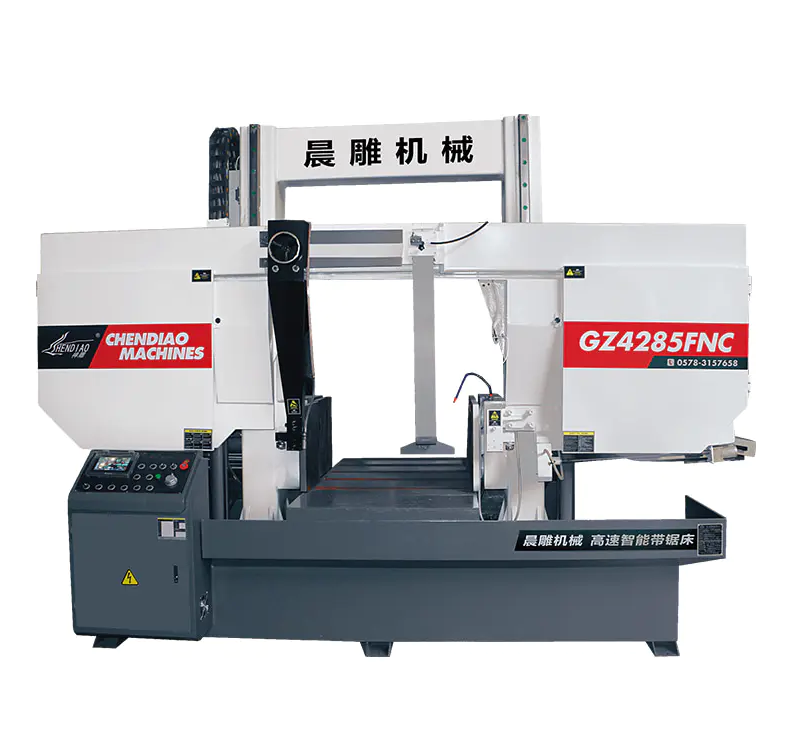
The blade material of a Horizontal Metal Cutting Band Saw Machine plays a crucial role in determining both cutting precision and tool longevity. Selecting an appropriate blade material ensures smooth cuts, reduces wear, and maintains dimensional accuracy over time. Different metals and alloys used in blades offer varying levels of hardness, flexibility, and heat resistance, which directly impact the performance of the saw. Understanding these factors helps operators optimize cutting efficiency and reduce operational costs.
High-Speed Steel (HSS) Blades
High-Speed Steel (HSS) blades are widely used due to their excellent toughness and ability to maintain sharpness at moderate cutting speeds. HSS blades provide consistent cutting precision and are resistant to sudden impacts. However, they may wear faster when cutting very hard metals, which can affect long-term durability. These blades are ideal for general-purpose metal cutting where high precision is required without excessive load or high-speed demands.
Bi-Metal Blades
Bi-metal blades combine a high-speed steel cutting edge with a flexible alloy steel backing. This combination enhances both hardness and toughness, allowing the blade to cut harder metals while resisting breakage and deformation. Bi-metal blades maintain precise tooth geometry for longer periods, ensuring consistent cutting accuracy. Their durability and resistance to fatigue make them suitable for high-volume production environments where both efficiency and precision are critical.
Carbide-Tipped Blades
Carbide-tipped blades offer superior hardness and heat resistance, making them ideal for cutting abrasive or very hard metals. These blades maintain sharp edges for extended periods, resulting in higher precision and fewer blade changes. However, they are more brittle than HSS or bi-metal blades and may be prone to chipping under impact. Carbide blades are best suited for specialized applications requiring high precision on tough materials, such as stainless steel or alloy metals.
Effect on Cutting Accuracy
Blade material directly influences the smoothness and dimensional accuracy of cuts. Softer blades may flex under load, leading to uneven or rough cuts, while harder blades maintain rigidity and precise tooth engagement. Selecting a blade with appropriate hardness and toughness ensures that the machine operates at optimal precision, especially when cutting complex shapes or maintaining tight tolerances.
Effect on Durability and Maintenance
Durability is equally important, as blade wear impacts productivity and maintenance costs. High-quality materials reduce tooth wear, minimize heat-related deformation, and extend the blade’s operational life. Choosing the right blade material also reduces downtime caused by frequent blade replacements, ensuring continuous, efficient operation of the Horizontal Metal Cutting Band Saw Machine in demanding industrial environments.
Optimizing Blade Material for Performance
The material of a blade is critical for achieving high cutting precision and long-term durability in Horizontal Metal Cutting Band Saw Machines. High-Speed Steel, bi-metal, and carbide-tipped blades each offer unique benefits suited to different metals and production requirements. By selecting the appropriate blade material based on metal type, cutting speed, and production demands, operators can ensure accurate, efficient, and cost-effective metal cutting operations. Proper blade selection maximizes both productivity and product quality.
 Italiano
 English
 Arabic
 French
 Spanish
 Portuguese
 Deutsch
 Turkish
 Dutch
Dutch
 Russian
 Romaian
 Portuguese (Brazil)
 Greek
Greek