

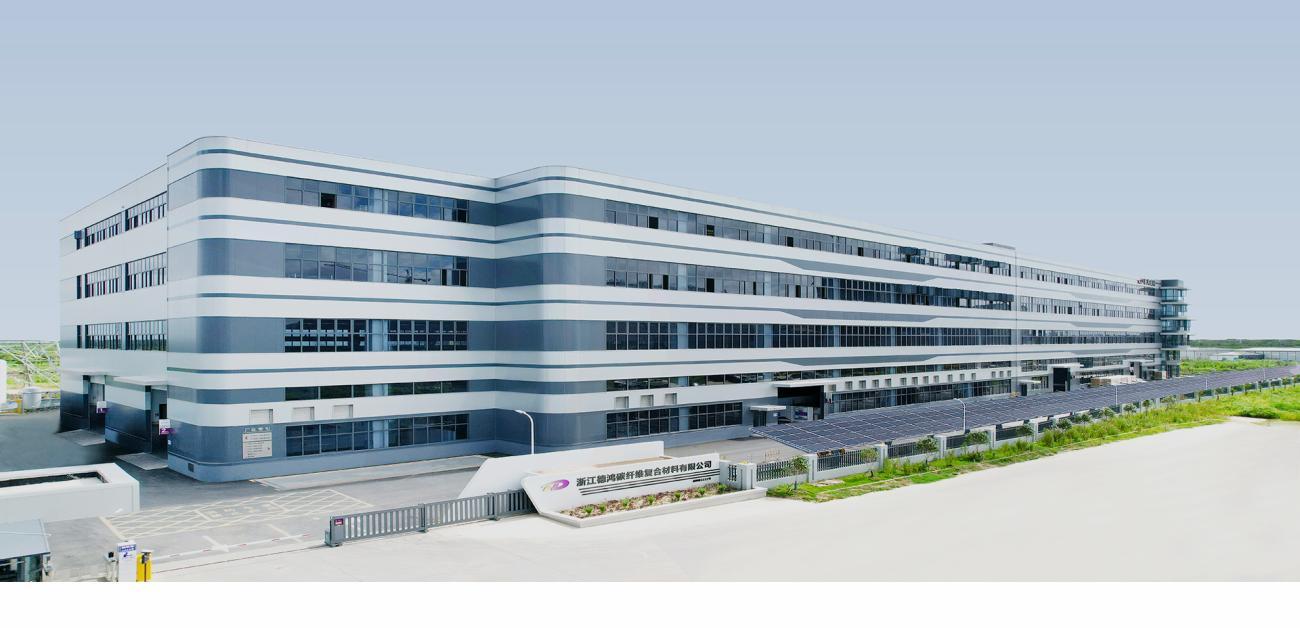

Zhejiang Dehong Carbon Fiber Composite Material Co., Ltd. specializes in carbon-carbon composite materials primarily used in crystal growth, vacuum heat treatment, braking systems, and new energy applications.
Web:https://www.carbon-material.com/
Add:No.2222 Xinfeng Road, Weitang Street, Jiashan County, Jiaxing City, Zhejiang Province, China
Phone:+86-13375735066
E-mail:gongbinbin@zhejiangdehong.com
Web:https://www.carbon-material.com/
Add:No.2222 Xinfeng Road, Weitang Street, Jiashan County, Jiaxing City, Zhejiang Province, China
Phone:+86-13375735066
E-mail:gongbinbin@zhejiangdehong.com
-
5 المنشورات
-
2 الصور
-
0 الفيديوهات
-
Zhejiang Dehong Carbon Fiber Composite Material Co., Ltd لدى No.2222 Xinfeng Road, Weitang Street, Jiashan County, Jiaxing City, Zhejiang Province, China
-
Male
-
أعزب
-
11/05/1998
-
متابَع بواسطة 0 أشخاص
البحث

 English
 French
 Spanish
 Portuguese
 Deutsch
 Turkish
 Dutch
Dutch
 Italiano
 Russian
 Romaian
 Portuguese (Brazil)
 Greek
Greek
التحديثات الأخيرة
-
The Single Crystal Furnace Heater is a high-performance heating element designed to operate efficiently under extreme temperatures, making it ideal for high-precision heat treatment processes. Used across industries such as semiconductor manufacturing, aerospace, and advanced materials engineering, this heater offers exceptional strength, durability, and thermal stability, ensuring precise control in critical applications.
Single Crystal Furnace Heater
https://www.carbon-material.com/main-heater.html
What is the Single Crystal Furnace Heater?
The Single Crystal Furnace Heater is a cutting-edge tool designed to provide high-precision heat treatment. It is constructed from barrel-shaped products, made by winding and layering non-woven fabrics, woven fabrics, and fiber mats. These materials are bonded together using needle-punching technology and then densified through a unique process that combines gas-phase inflation and liquid-phase impregnation.
This advanced manufacturing process ensures that the heater maintains high strength, high modulus, and stable physical and chemical properties, even under extreme thermal conditions. These features make the heater ideal for industries that require reliability and precision in their heat treatment processes.
Key Features and Benefits
High Strength and Modulus
The Single Crystal Furnace Heater is engineered with high strength and high modulus, providing exceptional mechanical stability. This makes it resistant to mechanical stresses, ensuring long-lasting performance in high-temperature environments.
Excellent Ablation Resistance
One of the standout features of the Single Crystal Furnace Heater is its excellent ablation resistance. It can withstand prolonged exposure to extreme heat without degradation, making it perfect for continuous high-temperature applications, such as crystal growth or heat treating aerospace components.
Corrosion Resistance
The heater is highly resistant to corrosion, even in environments exposed to harsh chemicals and gases. This makes it a perfect fit for industries like semiconductor manufacturing and aerospace, where such exposure is inevitable.
Long Service Life
Built to withstand the most challenging conditions, the Single Crystal Furnace Heater offers a long service life. The durable design minimizes the need for replacements and reduces maintenance costs, which is critical for industries with continuous heat treatment processes.
Stable Physical and Chemical Properties
The Single Crystal Furnace Heater maintains stable physical and chemical properties even under extreme conditions, ensuring that the heat treatment process remains consistent and reliable throughout its operational life.
Production Process of the Single Crystal Furnace Heater
The Single Crystal Furnace Heater is crafted through a precise manufacturing process to ensure optimal performance and durability:
Blank Formation
The process begins with the formation of the base material. Non-woven fabrics, woven fabrics, and fiber mats are carefully laid and wound to create a stable and durable foundation for the heater.
Needle-Punching Technology
The layers of fabric are bonded together using needle-punching technology, which enhances the material’s strength and resistance to mechanical and thermal stress.
Gas-Phase Inflation and Liquid-Phase Impregnation
The material is then densified using gas-phase inflation and liquid-phase impregnation, which enhances its thermal conductivity, resistance to high temperatures, and overall stability.
Machining and Final Testing
After densification, the heater undergoes precision machining to ensure that it meets the exact specifications for high-temperature heat treatment. The final product is rigorously tested to ensure it meets all performance standards before being shipped to customers.
Applications of the Single Crystal Furnace Heater
The Single Crystal Furnace Heater is widely used in industries that require high-precision and durable heat treatment:
Semiconductor Manufacturing
In semiconductor manufacturing, the Single Crystal Furnace Heater is used for single crystal growth. The heater provides precise temperature control during the growth of semiconductor wafers, ensuring high-quality crystals necessary for producing microchips and integrated circuits.
Aerospace
In the aerospace industry, the Single Crystal Furnace Heater is used to treat materials like turbine blades and advanced coatings. These components must retain their strength under extreme temperatures, and the heater ensures that they maintain their structural integrity throughout the heat treatment process.
Advanced Materials Engineering
The Single Crystal Furnace Heater is also used in advanced materials engineering for the heat treatment of high-strength alloys and composites used in industries such as automotive, military, and defense. The heater ensures that materials retain their mechanical properties even under extreme conditions.The Single Crystal Furnace Heater is a high-performance heating element designed to operate efficiently under extreme temperatures, making it ideal for high-precision heat treatment processes. Used across industries such as semiconductor manufacturing, aerospace, and advanced materials engineering, this heater offers exceptional strength, durability, and thermal stability, ensuring precise control in critical applications. Single Crystal Furnace Heater https://www.carbon-material.com/main-heater.html What is the Single Crystal Furnace Heater? The Single Crystal Furnace Heater is a cutting-edge tool designed to provide high-precision heat treatment. It is constructed from barrel-shaped products, made by winding and layering non-woven fabrics, woven fabrics, and fiber mats. These materials are bonded together using needle-punching technology and then densified through a unique process that combines gas-phase inflation and liquid-phase impregnation. This advanced manufacturing process ensures that the heater maintains high strength, high modulus, and stable physical and chemical properties, even under extreme thermal conditions. These features make the heater ideal for industries that require reliability and precision in their heat treatment processes. Key Features and Benefits High Strength and Modulus The Single Crystal Furnace Heater is engineered with high strength and high modulus, providing exceptional mechanical stability. This makes it resistant to mechanical stresses, ensuring long-lasting performance in high-temperature environments. Excellent Ablation Resistance One of the standout features of the Single Crystal Furnace Heater is its excellent ablation resistance. It can withstand prolonged exposure to extreme heat without degradation, making it perfect for continuous high-temperature applications, such as crystal growth or heat treating aerospace components. Corrosion Resistance The heater is highly resistant to corrosion, even in environments exposed to harsh chemicals and gases. This makes it a perfect fit for industries like semiconductor manufacturing and aerospace, where such exposure is inevitable. Long Service Life Built to withstand the most challenging conditions, the Single Crystal Furnace Heater offers a long service life. The durable design minimizes the need for replacements and reduces maintenance costs, which is critical for industries with continuous heat treatment processes. Stable Physical and Chemical Properties The Single Crystal Furnace Heater maintains stable physical and chemical properties even under extreme conditions, ensuring that the heat treatment process remains consistent and reliable throughout its operational life. Production Process of the Single Crystal Furnace Heater The Single Crystal Furnace Heater is crafted through a precise manufacturing process to ensure optimal performance and durability: Blank Formation The process begins with the formation of the base material. Non-woven fabrics, woven fabrics, and fiber mats are carefully laid and wound to create a stable and durable foundation for the heater. Needle-Punching Technology The layers of fabric are bonded together using needle-punching technology, which enhances the material’s strength and resistance to mechanical and thermal stress. Gas-Phase Inflation and Liquid-Phase Impregnation The material is then densified using gas-phase inflation and liquid-phase impregnation, which enhances its thermal conductivity, resistance to high temperatures, and overall stability. Machining and Final Testing After densification, the heater undergoes precision machining to ensure that it meets the exact specifications for high-temperature heat treatment. The final product is rigorously tested to ensure it meets all performance standards before being shipped to customers. Applications of the Single Crystal Furnace Heater The Single Crystal Furnace Heater is widely used in industries that require high-precision and durable heat treatment: Semiconductor Manufacturing In semiconductor manufacturing, the Single Crystal Furnace Heater is used for single crystal growth. The heater provides precise temperature control during the growth of semiconductor wafers, ensuring high-quality crystals necessary for producing microchips and integrated circuits. Aerospace In the aerospace industry, the Single Crystal Furnace Heater is used to treat materials like turbine blades and advanced coatings. These components must retain their strength under extreme temperatures, and the heater ensures that they maintain their structural integrity throughout the heat treatment process. Advanced Materials Engineering The Single Crystal Furnace Heater is also used in advanced materials engineering for the heat treatment of high-strength alloys and composites used in industries such as automotive, military, and defense. The heater ensures that materials retain their mechanical properties even under extreme conditions.0 التعليقات 0 المشاركات -
Unlocking Advanced Manufacturing with Carbon Carbon Hot Press Molds
Introduction:
When it comes to high-performance tooling materials, Carbon Carbon Hot Press Molds are at the forefront of innovation. Crafted from Grade T700 high-strength carbon fiber, these molds offer unparalleled strength, thermal resistance, and durability. Used in industries ranging from aerospace to ceramic manufacturing, they provide a reliable solution for applications requiring precision and extreme performance.
Carbon Carbon Hot Press Mold
https://www.carbon-material.com/carbon-carbon-hot-press-mold.html
What is a Carbon Carbon Hot Press Mold?
The Carbon Carbon Hot Press Mold is a high-performance mold made from carbon-carbon composite materials. Using advanced 3D weaving techniques, Grade T700 carbon fiber is woven into preform ligands. These ligands undergo liquid-phase deposition followed by high-temperature and high-pressure impregnation carbonization to form a dense, heat-resistant composite material. The final product features a density of 1.6–1.65 g/cm³, making it highly resistant to thermal shock, corrosion, and mechanical stress.
Manufacturing Process:
Preform Ligands via 3D Weaving:
The process starts with Grade T700 carbon fiber, chosen for its outstanding mechanical and thermal properties. The fibers are woven into preform ligands using 3D weaving techniques, ensuring the molds are uniform and structurally sound.
Liquid Phase Deposition & Carbonization:
Once the preforms are woven, they undergo a liquid-phase deposition process, followed by high-temperature, high-pressure impregnation carbonization. This creates a carbon-carbon composite with a final density of 1.6–1.65 g/cm³, ensuring exceptional strength and heat resistance.
Extensive Testing for Performance:
To guarantee reliability, the molds undergo rigorous testing under conditions of 2000–2300°C and pressures between 20–50 MPa. These tests ensure the molds can handle extreme temperatures and pressures, confirming their suitability for high-performance applications.
Key Advantages of Carbon Carbon Hot Press Molds:
High Strength: The carbon-carbon composite material provides excellent mechanical strength, making the molds capable of withstanding significant stress and pressure.
Corrosion Resistance: The molds are highly resistant to corrosion, making them ideal for use in chemically aggressive environments.
Thermal Shock Resistance: Carbon Carbon Hot Press Molds can endure rapid temperature changes without cracking, ensuring long-term reliability in industries with demanding thermal cycling.
Applications of Carbon Carbon Hot Press Molds:
Aerospace Industry: These molds are used to manufacture critical aerospace components such as engine parts, heat shields, and rocket nozzles, which require materials that can withstand extreme temperatures and mechanical forces.
Energy Production: In the energy sector, Carbon Carbon Hot Press Molds are used for components such as turbine blades, reactor parts, and other high-performance elements exposed to intense heat and pressure.
Ceramic Sintering: These molds play a key role in special ceramic sintering processes, where precision and heat resistance are necessary to create advanced ceramics for use in electronics, medical devices, and more.
Conclusion:
The Carbon Carbon Hot Press Mold is an essential tool for industries that require high-performance materials capable of withstanding extreme conditions. With its high strength, corrosion resistance, and thermal shock resistance, it is ideal for aerospace, energy, and ceramic manufacturing applications. These molds offer unmatched durability and reliability for the most demanding industrial applications.Unlocking Advanced Manufacturing with Carbon Carbon Hot Press Molds Introduction: When it comes to high-performance tooling materials, Carbon Carbon Hot Press Molds are at the forefront of innovation. Crafted from Grade T700 high-strength carbon fiber, these molds offer unparalleled strength, thermal resistance, and durability. Used in industries ranging from aerospace to ceramic manufacturing, they provide a reliable solution for applications requiring precision and extreme performance. Carbon Carbon Hot Press Mold https://www.carbon-material.com/carbon-carbon-hot-press-mold.html What is a Carbon Carbon Hot Press Mold? The Carbon Carbon Hot Press Mold is a high-performance mold made from carbon-carbon composite materials. Using advanced 3D weaving techniques, Grade T700 carbon fiber is woven into preform ligands. These ligands undergo liquid-phase deposition followed by high-temperature and high-pressure impregnation carbonization to form a dense, heat-resistant composite material. The final product features a density of 1.6–1.65 g/cm³, making it highly resistant to thermal shock, corrosion, and mechanical stress. Manufacturing Process: Preform Ligands via 3D Weaving: The process starts with Grade T700 carbon fiber, chosen for its outstanding mechanical and thermal properties. The fibers are woven into preform ligands using 3D weaving techniques, ensuring the molds are uniform and structurally sound. Liquid Phase Deposition & Carbonization: Once the preforms are woven, they undergo a liquid-phase deposition process, followed by high-temperature, high-pressure impregnation carbonization. This creates a carbon-carbon composite with a final density of 1.6–1.65 g/cm³, ensuring exceptional strength and heat resistance. Extensive Testing for Performance: To guarantee reliability, the molds undergo rigorous testing under conditions of 2000–2300°C and pressures between 20–50 MPa. These tests ensure the molds can handle extreme temperatures and pressures, confirming their suitability for high-performance applications. Key Advantages of Carbon Carbon Hot Press Molds: High Strength: The carbon-carbon composite material provides excellent mechanical strength, making the molds capable of withstanding significant stress and pressure. Corrosion Resistance: The molds are highly resistant to corrosion, making them ideal for use in chemically aggressive environments. Thermal Shock Resistance: Carbon Carbon Hot Press Molds can endure rapid temperature changes without cracking, ensuring long-term reliability in industries with demanding thermal cycling. Applications of Carbon Carbon Hot Press Molds: Aerospace Industry: These molds are used to manufacture critical aerospace components such as engine parts, heat shields, and rocket nozzles, which require materials that can withstand extreme temperatures and mechanical forces. Energy Production: In the energy sector, Carbon Carbon Hot Press Molds are used for components such as turbine blades, reactor parts, and other high-performance elements exposed to intense heat and pressure. Ceramic Sintering: These molds play a key role in special ceramic sintering processes, where precision and heat resistance are necessary to create advanced ceramics for use in electronics, medical devices, and more. Conclusion: The Carbon Carbon Hot Press Mold is an essential tool for industries that require high-performance materials capable of withstanding extreme conditions. With its high strength, corrosion resistance, and thermal shock resistance, it is ideal for aerospace, energy, and ceramic manufacturing applications. These molds offer unmatched durability and reliability for the most demanding industrial applications.0 التعليقات 0 المشاركات -
Exploring the Role of a Carbon Preforms Manufacturer in Advanced Applications
In the world of high-performance manufacturing, carbon preforms are crucial components used in some of the most demanding applications across various industries. A Carbon Preforms Manufacturer plays an integral role in producing these materials, which offer exceptional strength, durability, and heat resistance. From deposition furnace liners to brake disc preforms, these materials are essential for industries that require precision, reliability, and performance under extreme conditions.
This article delves into the production process, applications, and advantages of carbon preforms, highlighting how they contribute to advancing technology and industrial capabilities.
Carbon Preforms Manufacturer
https://www.carbon-material.com/preform-field/
What Are Carbon Preforms?
Carbon preforms are intermediate materials made from carbon fiber fabrics and fiber mats that are layered and processed to form strong, durable components. These preforms are designed to be used in applications where materials must withstand high temperatures, mechanical stress, and wear. A Carbon Preforms Manufacturer produces these materials using advanced techniques, ensuring they meet the specific needs of industries that demand high performance.
Carbon preforms can be customized into various shapes, including cylindrical, plate-shaped, and specialized forms, making them highly versatile. Their ability to be tailored to the exact requirements of each application is one of the key reasons why they are used in a wide range of industries, including aerospace, automotive, and semiconductor manufacturing.
Deposition Furnace Liners: Essential for High-Temperature Processes
One of the primary applications of carbon preforms is in the production of deposition furnace liners. These liners are critical components in chemical vapor deposition (CVD) processes, which are widely used in the semiconductor and material coating industries. Deposition furnace liners need to withstand extremely high temperatures while maintaining structural integrity, making them an ideal application for carbon preforms.
The production of deposition furnace liners begins with nets made from continuous long-fiber carbon fibers and mesh fabrics, reinforced with short-cut fibers for structural support. The carbon fibers are alternately laid to form a robust material, which is then processed into quasi-3D fabrics through a proprietary process developed by the Carbon Preforms Manufacturer. This process ensures stable performance, good uniformity, and strong interlayer bonding, which are essential for the liners' performance under high heat.
These preforms can be customized to various shapes, including cylindrical, plate, or specialized forms, depending on the specific requirements of the furnace. The versatility of the preforms allows them to be used in CVD deposition furnace liners and silicon infiltration furnace liners, which are critical for maintaining temperature uniformity and ensuring high-quality material processing.
Tray Preforms: Support for Vacuum Furnace Operations
Another important application of carbon preforms is in the production of tray preforms for vacuum furnaces. Vacuum furnaces are used in industries that require precise material processing, such as aerospace and semiconductor manufacturing. These furnaces require components that can handle high temperatures and mechanical loads during operation.
Tray preforms are created by layering weftless fabrics or warp-weft fabrics with fiber mats, followed by needling technology to bind the layers together. This results in a strong and durable material capable of withstanding the load-bearing demands of large-scale vacuum furnaces.
These preforms are used to manufacture high-temperature furnace tooling plates and deposition furnace hoisting trays, which are critical for supporting furnace components during high-precision operations. Customizing tray preforms ensures they meet the specific needs of each vacuum furnace, providing the strength and thermal stability required for demanding applications.Exploring the Role of a Carbon Preforms Manufacturer in Advanced Applications In the world of high-performance manufacturing, carbon preforms are crucial components used in some of the most demanding applications across various industries. A Carbon Preforms Manufacturer plays an integral role in producing these materials, which offer exceptional strength, durability, and heat resistance. From deposition furnace liners to brake disc preforms, these materials are essential for industries that require precision, reliability, and performance under extreme conditions. This article delves into the production process, applications, and advantages of carbon preforms, highlighting how they contribute to advancing technology and industrial capabilities. Carbon Preforms Manufacturer https://www.carbon-material.com/preform-field/ What Are Carbon Preforms? Carbon preforms are intermediate materials made from carbon fiber fabrics and fiber mats that are layered and processed to form strong, durable components. These preforms are designed to be used in applications where materials must withstand high temperatures, mechanical stress, and wear. A Carbon Preforms Manufacturer produces these materials using advanced techniques, ensuring they meet the specific needs of industries that demand high performance. Carbon preforms can be customized into various shapes, including cylindrical, plate-shaped, and specialized forms, making them highly versatile. Their ability to be tailored to the exact requirements of each application is one of the key reasons why they are used in a wide range of industries, including aerospace, automotive, and semiconductor manufacturing. Deposition Furnace Liners: Essential for High-Temperature Processes One of the primary applications of carbon preforms is in the production of deposition furnace liners. These liners are critical components in chemical vapor deposition (CVD) processes, which are widely used in the semiconductor and material coating industries. Deposition furnace liners need to withstand extremely high temperatures while maintaining structural integrity, making them an ideal application for carbon preforms. The production of deposition furnace liners begins with nets made from continuous long-fiber carbon fibers and mesh fabrics, reinforced with short-cut fibers for structural support. The carbon fibers are alternately laid to form a robust material, which is then processed into quasi-3D fabrics through a proprietary process developed by the Carbon Preforms Manufacturer. This process ensures stable performance, good uniformity, and strong interlayer bonding, which are essential for the liners' performance under high heat. These preforms can be customized to various shapes, including cylindrical, plate, or specialized forms, depending on the specific requirements of the furnace. The versatility of the preforms allows them to be used in CVD deposition furnace liners and silicon infiltration furnace liners, which are critical for maintaining temperature uniformity and ensuring high-quality material processing. Tray Preforms: Support for Vacuum Furnace Operations Another important application of carbon preforms is in the production of tray preforms for vacuum furnaces. Vacuum furnaces are used in industries that require precise material processing, such as aerospace and semiconductor manufacturing. These furnaces require components that can handle high temperatures and mechanical loads during operation. Tray preforms are created by layering weftless fabrics or warp-weft fabrics with fiber mats, followed by needling technology to bind the layers together. This results in a strong and durable material capable of withstanding the load-bearing demands of large-scale vacuum furnaces. These preforms are used to manufacture high-temperature furnace tooling plates and deposition furnace hoisting trays, which are critical for supporting furnace components during high-precision operations. Customizing tray preforms ensures they meet the specific needs of each vacuum furnace, providing the strength and thermal stability required for demanding applications.0 التعليقات 0 المشاركات

المزيد من المنشورات