

Soton's Take on Disposable Kraft Box Reality
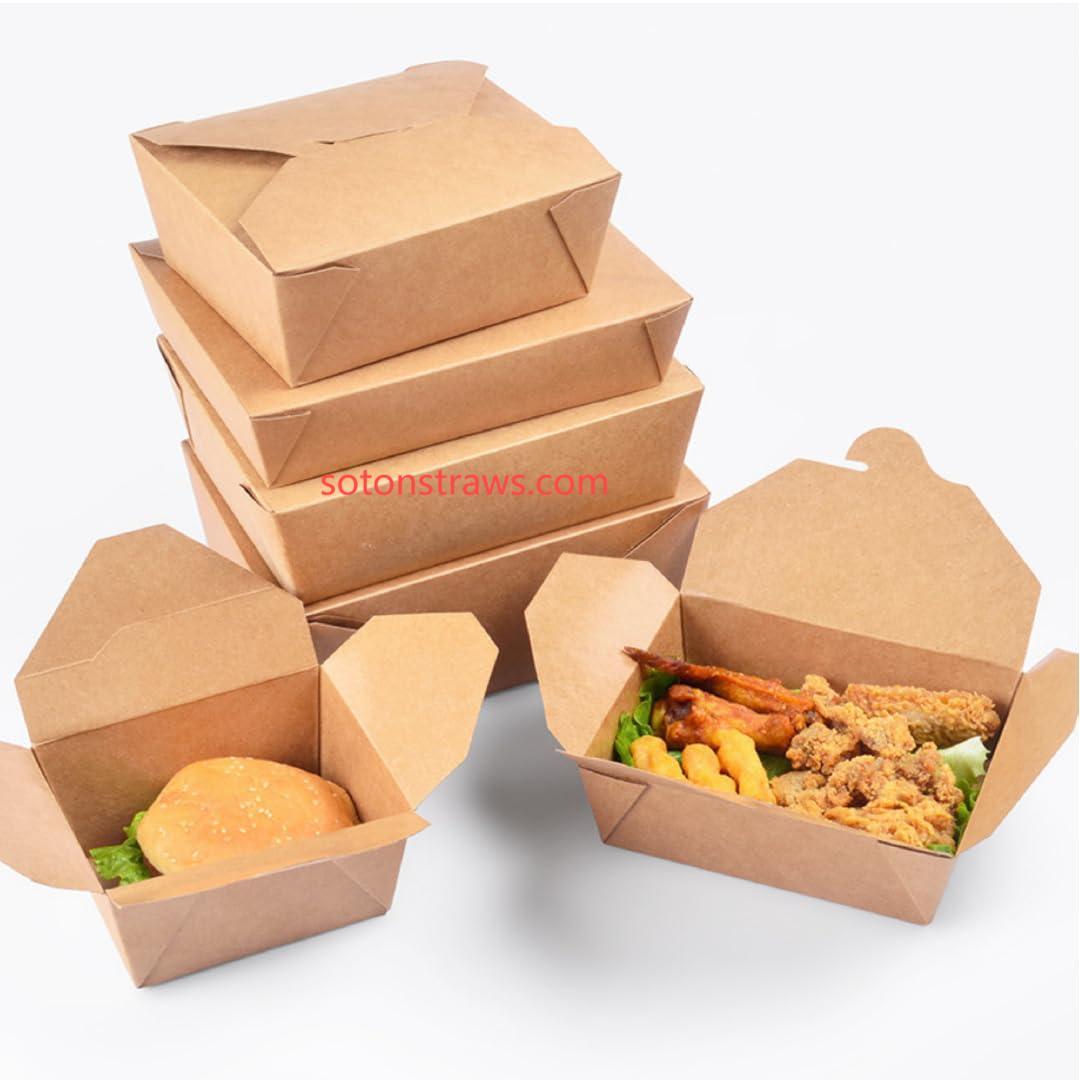
The promise of compostable packaging feels like a step forward – a guilt-free solution for environmentally conscious consumers and businesses. Yet, a walk through any modern waste processing facility reveals a sobering reality: mountains of certified compostable disposable kraft box units end up not enriching soil, but feeding incinerators. This disconnect between intention and outcome stems from systemic cracks in our waste management infrastructure, turning well-meant eco-innovations into unintended contributors to air pollution and wasted resources.
One major hurdle is contamination. Even boxes designed to break down naturally cannot do so efficiently if mixed with conventional plastics, metal scraps, or glass fragments. Sorting facilities, often overwhelmed by volume and variety, struggle to separate truly compostable items from look-alike plastics or soiled packaging. A pizza box with grease stains, though kraft-based, might be rejected by composters fearing oil contamination. Similarly, a disposable kraft box with even a small plastic window or synthetic adhesive tape renders the entire item unsuitable for composting streams. This contamination fear leads many waste handlers to err on the side of caution, diverting potentially compostable material towards thermal treatment or landfill.
The second critical failure lies in infrastructure access. Industrial composting facilities, capable of handling the high temperatures and specific conditions needed to break down certified compostable packaging within a reasonable timeframe, are not universally available. Many regions lack such facilities entirely, while others operate at capacity. Curbside collection for compostables remains a patchwork service, unavailable to vast populations. Consequently, even consumers diligently placing their used disposable kraft box into a designated bin may discover it ultimately travels to the same destination as regular trash – the incinerator or landfill – because the necessary processing plant simply doesn't exist downstream. This lack of end-of-life pathways undermines the very purpose of compostable design.
The confusion doesn't end there. Misleading labeling and a lack of standardized certifications add another layer of complexity. Terms like "biodegradable" or "eco-friendly" are often used loosely, lacking the specific criteria tied to "industrially compostable" certifications. Consumers, despite good intentions, can be misled into improper disposal. Furthermore, even certified boxes require specific conditions (temperature, moisture, microbial activity) only consistently achieved in industrial settings, not home compost heaps. This gap between consumer understanding and technical reality further fuels the cycle of disposal failure.
Solving this requires more than better boxes; it demands systemic change. Investment in widespread, accessible industrial composting infrastructure is paramount. Clearer, standardized labeling regulations are needed to eliminate consumer confusion. Product designers must prioritize not only material compostability but also disassembly – ensuring adhesives, inks, and any additional components are also compatible with composting processes. Collaboration across the entire chain – from manufacturers and brands to waste handlers, policymakers, and consumers – is essential to close the loop and ensure compostable packaging fulfills its environmental promise.
For businesses committed to genuine sustainability and seeking truly responsible packaging solutions, partnering with experts who understand these complexities is crucial. Soton specializes in disposable kraft box solutions designed for real-world recovery. We focus not just on material compostability but on compatibility with existing and emerging waste streams. Our designs minimize contamination risks, use certified compostable adhesives and inks, and we actively support infrastructure development and consumer education initiatives. Choose Soton for packaging that goes beyond the label – solutions engineered to actually reach the soil, not the smokestack. Partner with us to build a truly circular future for disposable packaging.Click https://www.sotonstraws.com/product/biodegradable-straws/st101-paper-straws/ to reading more information.
 Spanish
 English
 Arabic
 French
 Portuguese
 Deutsch
 Turkish
 Dutch
Dutch
 Italiano
 Russian
 Romaian
 Portuguese (Brazil)
 Greek
Greek