

Scissor Band Saw Blade Tension Guide
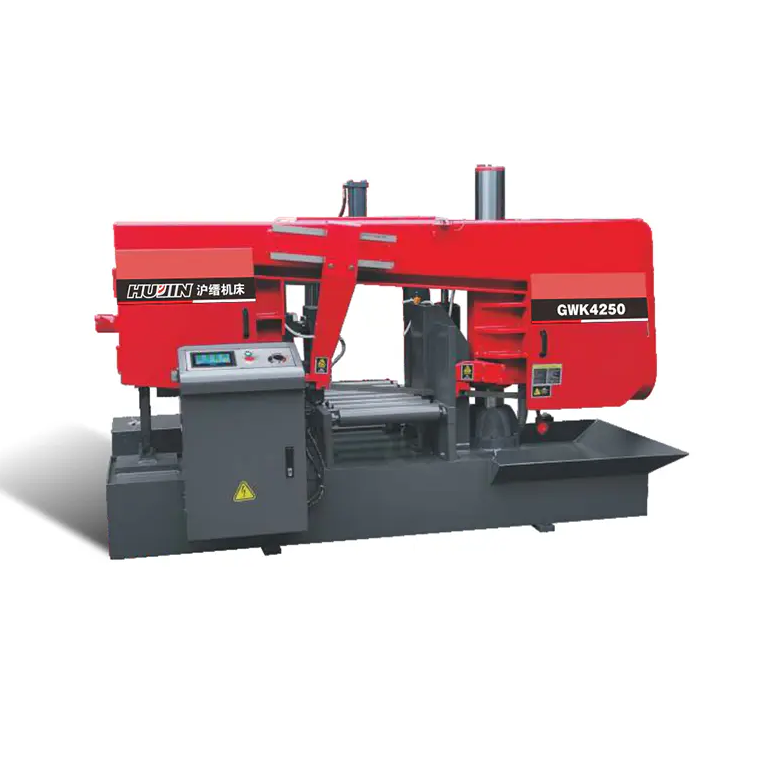
Importance of Blade Tension
Blade tension is a crucial factor in the performance and safety of a Scissor Band Saw. Proper tension ensures straight, accurate cuts and prolongs blade life. Incorrect tension can cause blade deflection, uneven cutting, excessive wear, or even breakage, which may compromise both workpiece quality and operator safety. Understanding how to adjust blade tension correctly is essential for achieving optimal cutting efficiency, reducing downtime, and maintaining the overall reliability of the saw.
Understanding Tension Mechanisms
Scissor Band Saws typically feature a mechanical or hydraulic tensioning system that controls the blade’s tightness. Mechanical systems use handwheels, screws, or levers to increase or decrease tension manually. Hydraulic or pneumatic systems maintain consistent tension automatically, even under varying load conditions. The choice of system affects both convenience and precision. Operators should familiarize themselves with the specific tensioning mechanism of their machine to ensure safe and effective adjustments.
Steps to Adjust Blade Tension
Proper adjustment begins with a visual inspection of the blade and the saw frame. The blade should be free of visible damage, wear, or twists before tensioning. Next, the tensioning mechanism is engaged to tighten the blade gradually. For mechanical systems, turning the adjustment wheel or lever increases tension, and for hydraulic systems, the operator adjusts the pressure according to the manufacturer’s recommended settings. It is important to apply tension evenly to avoid warping the blade or stressing the saw frame.
Checking Correct Tension
Several methods can be used to verify correct blade tension. One common approach is the deflection test, where gentle pressure is applied to the blade at the midpoint between the wheels. Properly tensioned blades will flex slightly but return to a straight position without permanent bending. Some saws are equipped with built-in tension indicators, allowing operators to monitor tension accurately. Manufacturers often provide tension tables or charts based on blade width, thickness, and material type, which should be followed for precise adjustments.
Maintaining Tension During Operation
During cutting, tension can fluctuate due to blade heating, friction, and material resistance. Operators should monitor blade performance and adjust tension if the blade begins to drift or produce uneven cuts. Lubrication of guide rollers and bearings reduces friction and helps maintain consistent tension. Regular maintenance, including cleaning debris from the blade and adjusting guides, also contributes to stable performance and extends blade life.
Safety Considerations
Adjusting blade tension involves potential risks, as an improperly tensioned or damaged blade may snap or come off the wheels. Operators should always wear personal protective equipment such as gloves, safety glasses, and hearing protection when adjusting or testing tension. The machine should be powered off and isolated before any manual adjustment to prevent accidental blade movement. Following the manufacturer’s guidelines and safety instructions ensures that tensioning procedures are performed safely and effectively.
Proper blade tension is essential for the performance, accuracy, and safety of a Scissor Band Saw. By understanding the tension mechanism, following correct adjustment steps, verifying tension, maintaining the blade, and observing safety procedures, operators can ensure consistent cutting results and prolong the life of the blade. Regular checks and maintenance make tension control a key factor in achieving reliable and efficient saw operation in industrial and workshop settings.

 English
 Arabic
 French
 Spanish
 Portuguese
 Deutsch
 Dutch
Dutch
 Italiano
 Russian
 Romaian
 Portuguese (Brazil)
 Greek
Greek