

Overcoming Fabric Challenges in Foil Heat Transfer
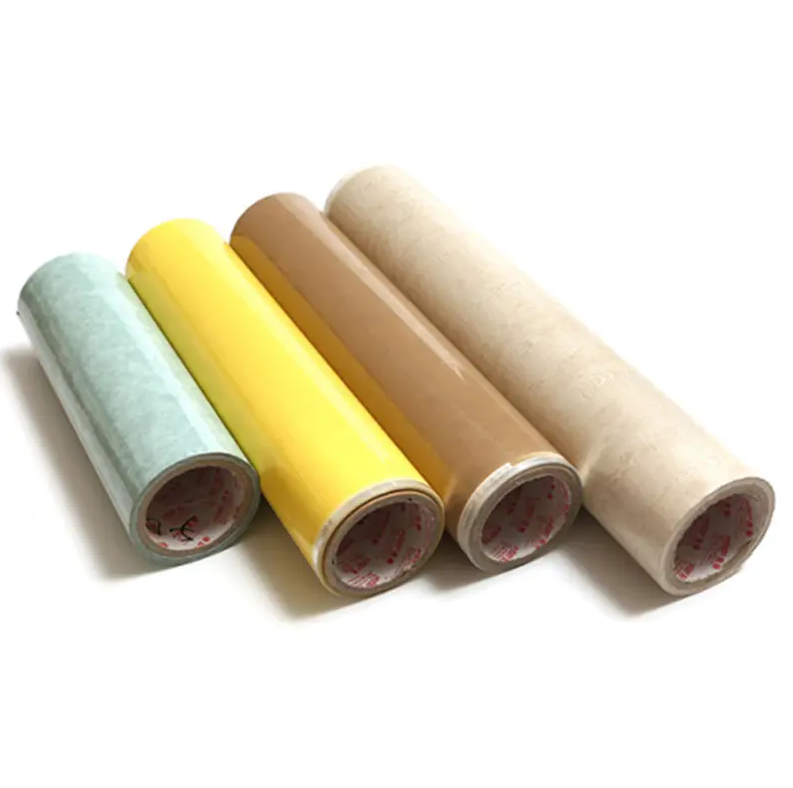
When working on fabric projects, people interested in deco foil heat transfer often face unpredictable results. A frequent topic online is that the foil doesn’t adhere evenly to textiles, particularly on stretchy or textured fabrics. This partly stems from the nature of fabric fibers: some hold heat poorly or expand and contract as they’re handled, which can lead to cracking or peeling in foil transfer areas. Users recommend testing on scraps of the same fabric before attempting a full garment.
Another common discussion point is the choice between different heat application methods. While some try household irons, many experienced makers prefer a dedicated heat press to maintain constant temperature and even pressure. Uneven heat exposure can easily yield patchy heat transfer prints, especially on thicker or layered textiles. Threads and seams can create uneven surfaces, so positioning the design on flatter areas of fabric also helps.
In addition, fabric surface preparation is often overlooked. Oils, residues, and contamination on textiles can block the adhesive action of the foil, which some users only discover after numerous failed attempts. Washing and fully drying the garment before transferring can improve results. Many note that thorough cleaning and careful alignment before pressing reduce waste and frustration.
Finally, maintain good records of temperature, pressure, and dwell time for each successful run. This makes it easier to duplicate high-quality heat transfer prints on fabric in future projects without constantly guessing settings.
 Romaian
 English
 Arabic
 French
 Spanish
 Portuguese
 Deutsch
 Turkish
 Dutch
Dutch
 Italiano
 Russian
 Portuguese (Brazil)
 Greek
Greek